
Electrical Troubleshooting
Electrical Troubleshooting
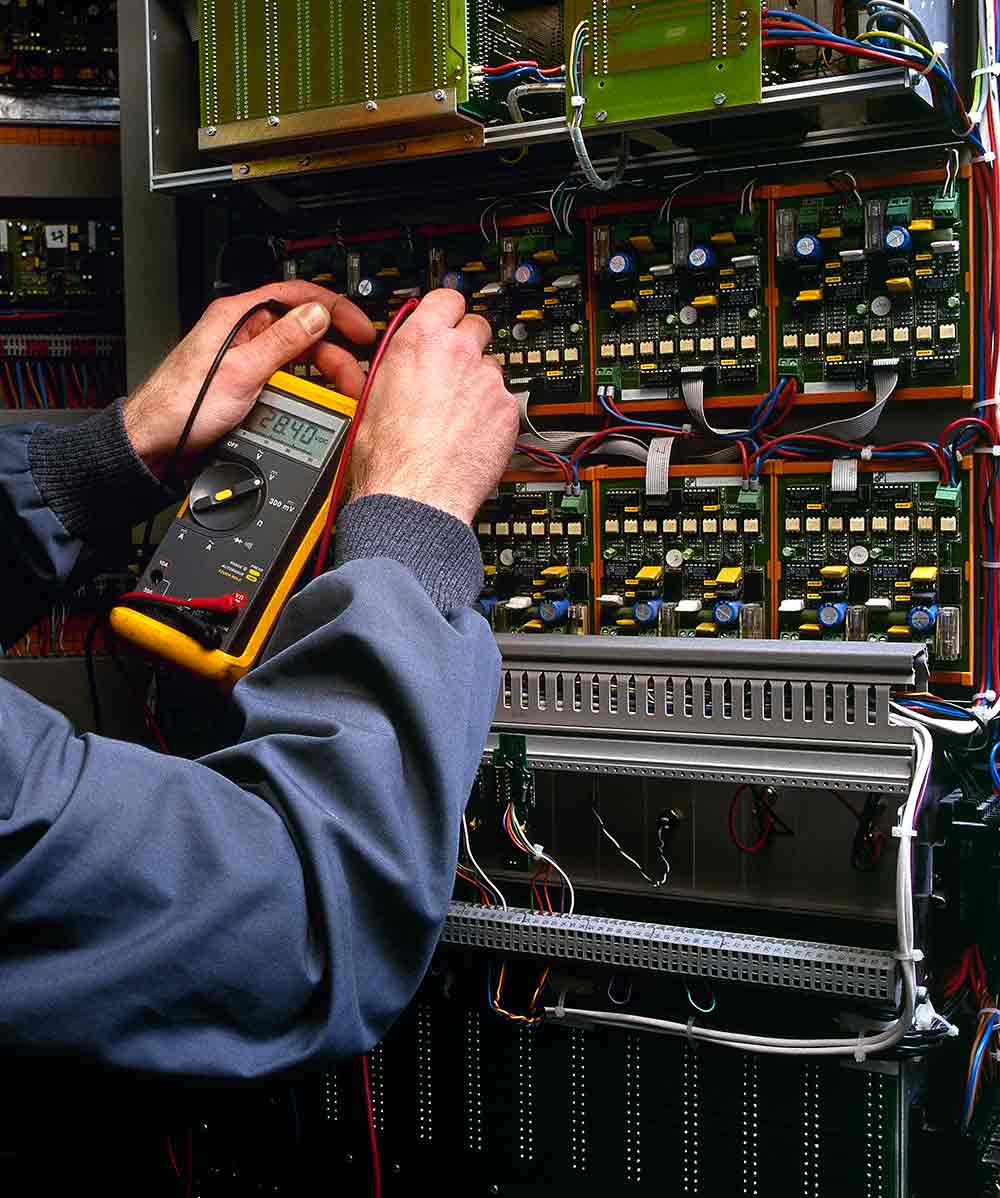
Most people know that troubleshooting is the process of solving a problem but when it comes to electrical in electricity, troubleshooting is done when there is an electrical fault. Electrical troubleshooting can be defined as an act of determining faults in an electric circuit by analyzing the behavior and operation of the faulty circuit, after which repairs are made to the defective component.
The Electrical Trouble Shooting Process
Step 1
The first stage of electrical troubleshooting is to observe the circuit that you are dealing with. Careful observation is carried out to find faults in the circuit. Usually, in this process, there are certain things to be done to ensure standard/thorough examination is carried out. The circuit is checked for visual indications of mechanical damage, which can be seen as indications of impact, strained wires, and sometimes loose components. Also, signs of overheating in the circuit should be checked. This process requires not just visual observation but also entails the good use of the sense of smell. The temperature at which it runs should be observed, and it is important to know the history of the circuit, in case of past complaints issued, and the components to which previous problems were reported.
Step 2
The second stage is defining the problem area. This entails the application of logic and reasoning to the observations that were made in the first step. When defining the problem area, it is important to be able to draw from your observations the part of the circuit that works fine and the parts that do not and try to use your findings to isolate the fault in the area. This task will be easier if you possess a schematic diagram of the circuit so that your work would just be marking out points on the layout where faults were observed at.
Step 3
The third stage involves identifying possible causes, and this is done after you have successfully identified the problem areas. Mainly, thinking of possible causes of the problem with the components with issues in mind. It can be done by writing down the parts with possible causes to the fault in the circuit.
Step 4
In the final stage, we determine the most probable cause of the fault in the circuit. This is done by comparing the findings from visual observations with the identified problem areas and then using this knowledge to determine the faulty component. If steps one and two are correctly carried out, the possible causes identified in step three will make it easier to pick out the most probable issue.
Modern Troubleshooting
Today's electricians use thermal imaging cameras and digital multimeters to detect faults invisible to the eye, hot spots behind walls, voltage drops, and arc fault locations. The National Electrical Code 2023 now mandates AFCI protection in most residential circuits, making proper diagnostic tools essential for code-compliant troubleshooting.
Smart homes add complexity. Issues now include network glitches, voltage sensitivity in LED systems, and compatibility problems between devices. Traditional troubleshooting methods miss these electronic faults, modern diagnosis requires testing power quality, verifying neutral connections, and checking grounding for sensitive equipment like smart hubs and EV chargers.
Persistent issues like flickering lights, tripped breakers, or malfunctioning smart devices indicate underlying circuit problems. Professional diagnosis with current diagnostic equipment ensures safety and reliability.
Defective components will show the following signs:
Signs of burning can be observed in light bulbs, fuses, switches.
Heat may cause failure in transformers, motor coils, and other devices with windings.
Adhesive bolts, screws should be checked; they often detach over time.
Defective wiring should be checked.
The final step involves testing and repairing the circuit.
Looking for a grounded team to help with an electrical issue? Contact us today!